You wake up in the quiet, grey light of a Canadian winter morning, the radiator humming in the background, but your heart is racing. In your dream, you were facing a situation—perhaps a confrontation at work, a sudden crisis, or a moment where you desperately needed to take a stand—and you tried to clench your fists. But your fingers wouldn't move. They remained limp, unresponsive, as if the connection between your will and your body had been severed.
This specific sensation—dreaming of being unable to clench fists—is a visceral experience. It isn’t just about the hands; it’s about the sudden, jarring realization that you lack the power to change your circumstances. In the context of our current lives in 2026, where the balance between professional ambition, economic instability, and mental well-being feels more fragile than ever, this dream often serves as a mirror for our internal struggles.

The Symbolic Meaning of the "Unresponsive Fist"
In the language of dreams, our hands are our primary tools for interacting with the world. They represent agency, capability, and the power to "grasp" an opportunity or defend one's boundaries. A fist, specifically, is a symbol of resolve, strength, and determined action. It is the universal sign of readiness—whether that means fighting for a cause or holding onto something precious.
When you experience a dream where you are unable to clench your fists, your subconscious is likely communicating a sense of impotence. This isn't necessarily about physical strength, but rather "psychological grip." You may feel that despite your best efforts, you cannot control the outcome of a situation in your waking life.
For many of us, this manifests as a gap between our intentions and our reality. You know what needs to be done—you can see the solution clearly—but for some reason, you feel paralyzed when it comes to execution. It is the feeling of being a passenger in your own life.
Common Canadian Scenarios: Where This Frustration Stems From
Dreams are rarely generic; they are woven from the fabric of our daily stressors. In Canada, several unique cultural and economic pressures often trigger dreams of powerlessness.
The Housing and Financial "Grip"
For those living in cities like Toronto, Vancouver, or Calgary, the housing market has become a source of chronic, low-grade anxiety. When you spend years saving only to find the goalposts have moved again, or when you feel trapped in a rental cycle with no end in sight, it can manifest as dreaming of being unable to clench fists. It is the literal feeling of being unable to "get a grip" on your financial future or secure a permanent place to call home. The "grip" you lack is the stability and security that once seemed guaranteed for previous generations.
The "Politeness Trap" and Suppressed Emotion
Canadian identity is often tied to being thoughtful, reserved, and inclusive. While these are virtues, they can sometimes lead to the suppression of healthy anger or assertiveness. If you are someone who consistently avoids conflict to keep the peace in your multicultural workplace or within your family circle, your subconscious may process this suppressed aggression as a physical inability to form a fist. Your mind is showing you that you've forgotten how to fight for yourself because you've spent too much time prioritizing the harmony of the group over your own needs.
Seasonal Affective Stagnation
The long, dark winters of the North can induce a sense of hibernation that borders on lethargy. When seasonal depression (SAD) sets in, it often feels like a heavy blanket over your motivation. Dreaming of limp hands often mirrors this physical and mental sluggishness—the feeling that you are "frozen" in place while the rest of the world continues to move. The inability to clench your fist reflects the difficulty of finding the "spark" or drive to take action during the coldest months of the year.
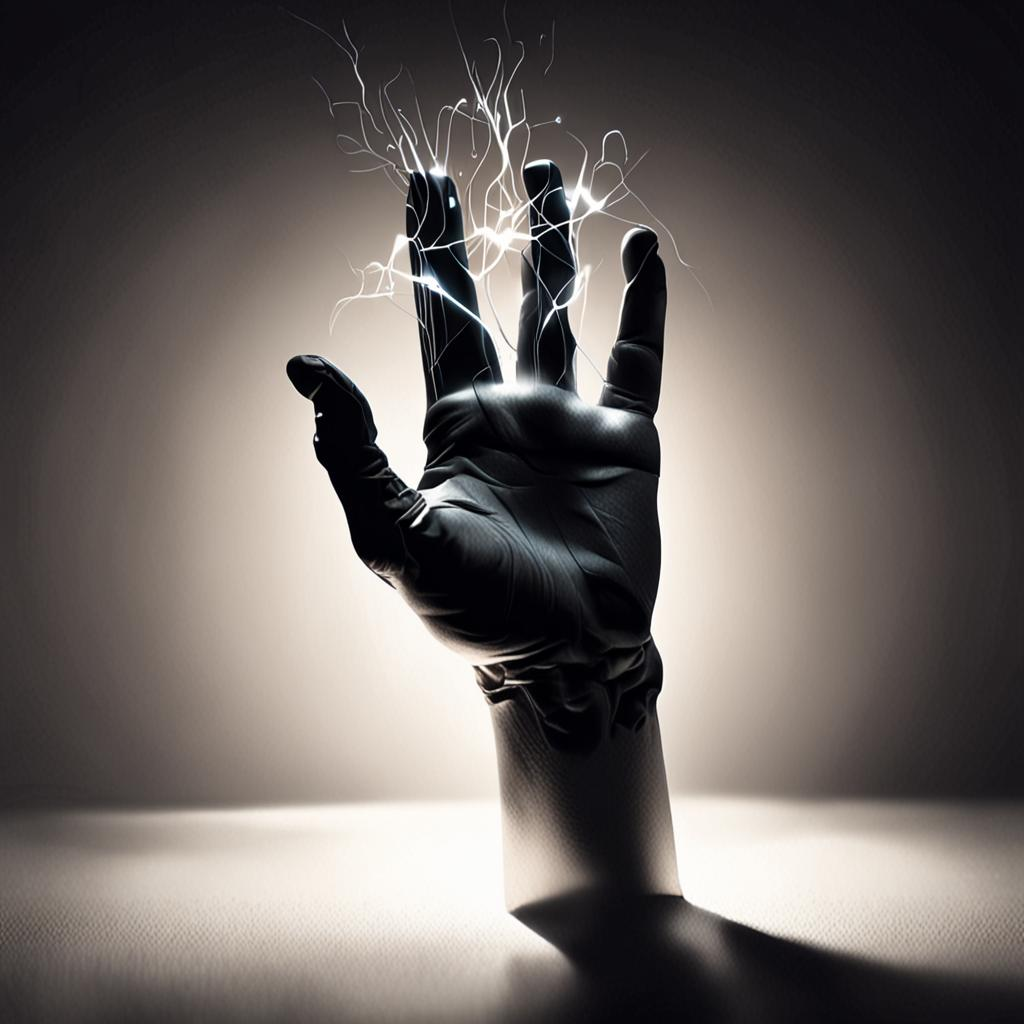
7 Subtle Messages Behind Dreaming of Being Unable to Clench Fists
If this dream is recurring, your mind may be trying to send you a more specific message. Here are seven nuanced interpretations based on psychological and intuitive perspectives:
- The Burnout Signal: You are operating on "empty." The inability to clench your fist is a sign that your nervous system is overwhelmed, and you no longer have the capacity to strive or fight.
- Imposter Syndrome: Common in high-pressure corporate environments or among new immigrants striving for success, this dream suggests you feel unqualified or "powerless" despite your actual achievements.
- The Struggle for Belonging: For those navigating the complexities of a multicultural identity, this can represent the frustration of not being able to fully "grasp" or fit into a specific cultural expectation while remaining true to your roots.
- Health Anxiety and Systemic Frustration: In a healthcare system where wait times can be daunting, this dream can surface when you feel your physical or mental well-being is out of your hands, leaving you feeling vulnerable.
- The Fear of Loss: It may reflect a fear that something you currently hold dear—a relationship, a job, or a dream—is slipping through your fingers, and you cannot grip it tightly enough to keep it.
- A Call for Surrender: Paradoxically, this dream sometimes appears when we are fighting a battle that cannot be won. It may be a gentle nudge to stop clenching, stop fighting, and instead find a way to flow with the situation.
- The Need for Boundaries: It is a reminder that you may be letting others dictate the terms of your life, leaving you without the agency to say "no" or set a firm boundary.
How to Reclaim Your Power: 3 Practical Steps
Once you recognize that dreaming of being unable to clench fists is a signal of perceived powerlessness, you can take steps in your waking life to regain your sense of agency.
1. Identify the "Limp" Areas of Your Life
Ask yourself: Where in my life do I feel I have no say? Is it your relationship with your landlord? A dynamic with a manager? A feeling of stagnation in your cultural identity? By naming the source of the frustration, you move the problem from a vague, scary dream into a tangible challenge that can be addressed.
2. Practice "Micro-Wins"
When the big things (like the housing market or systemic healthcare issues) feel out of control, focus on small, controllable victories. Whether it's a daily exercise routine, mastering a new hobby, or organizing your home office, these "micro-wins" retrain your brain to recognize that you do have the power to affect change in your environment.