Imagine it is a Tuesday night in mid-January. Outside, a heavy snowfall is blanketing your neighborhood—perhaps you're in a quiet suburb of Calgary, a coastal home in Halifax, or a bustling apartment in downtown Toronto. You are drifting between the deep warmth of your blankets and the first stirrings of wakefulness. Suddenly, you realize you are awake, but you cannot move. Your limbs feel like lead, and a heavy, invisible pressure rests on your chest. In the dim light of the room, you might glimpse a shadow or feel a presence that shouldn't be there.
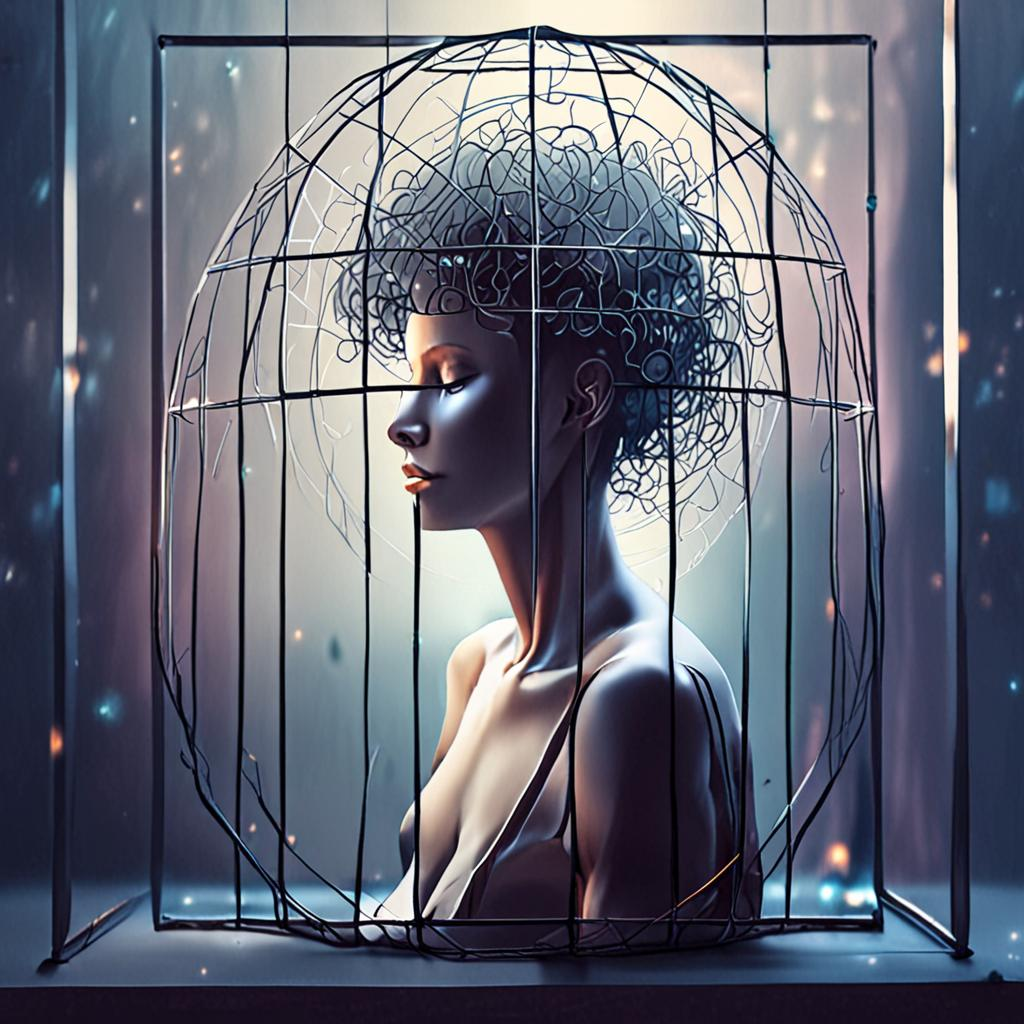
For many, this is the terrifying experience of sleep paralysis. While science explains it as a physiological glitch in the transition between REM sleep and wakefulness, the emotional residue it leaves behind is profound. When we explore sleep paralysis dream interpretation, we aren't just looking at biology; we are looking at how our subconscious processes stress, fear, and the feeling of being trapped in our waking lives.

The Bridge Between Biology and Symbolism
From a physiological standpoint, sleep paralysis occurs when the brain wakes up before the body’s "REM atonia"—the mechanism that prevents us from acting out our dreams—has worn off. You are essentially awake in a body that is still in "sleep mode."
However, the meaning we assign to this experience often reflects our current mental landscape. In Canada, where we navigate a unique blend of high-pressure urban careers and a deep, often isolating connection to a vast natural wilderness, these episodes often mirror our internal struggles.
When your mind is awake but your body is frozen, it is the ultimate symbol of powerlessness. For a Canadian reader in 2026, this might not be a random occurrence, but a reflection of systemic anxieties: the crushing weight of the housing market in Vancouver and Toronto, the isolation of remote work, or the heavy emotional toll of a long, dark winter.
Common Themes in Sleep Paralysis Dream Interpretation
While every individual's experience is unique, certain recurring symbols emerge when we analyze the "dream" state accompanying paralysis.
1. The Heavy Weight on the Chest
Many report a feeling of someone sitting on their chest. Psychologically, this often represents "the weight of the world." In our current cultural climate, this could be the pressure to maintain a certain lifestyle despite rising costs or the burden of supporting multigenerational families—a common experience in Canada's diverse immigrant communities. It is the physical manifestation of anxiety that you cannot "breathe" or find space for yourself.
2. The Shadow Figure or "The Visitor"
The presence of a dark figure is one of the most common hallucinations. Depending on your cultural background, you might interpret this as a spiritual entity or a psychological projection. For those navigating a multicultural identity, this "shadow" can sometimes represent the parts of ourselves we feel we must hide to fit into a professional or social mould—the "unseen" version of ourselves trying to gain our attention.
3. The Inability to Scream
Trying to call for help but finding your voice gone is a poignant symbol of feeling unheard. This often resonates with people who feel stuck in their careers or those struggling to navigate the complexities of the healthcare system. It is the frustration of having a critical need but lacking the agency or the "voice" to communicate it effectively.
Cultural Lenses on the "Frozen" State
Canada is a mosaic of traditions, and how we interpret sleep paralysis often depends on the stories we grew up with. Understanding these different lenses can help us move from a place of fear to a place of curiosity.
- Multicultural Perspectives: In some South Asian or Middle Eastern traditions, these experiences are viewed as visits from the Jinn or spiritual tests. In some Caribbean cultures, it is sometimes referred to as "the old hag" sitting on the chest. Acknowledging these perspectives allows us to treat the experience not as a "malfunction," but as a meaningful encounter with the subconscious or the spiritual.
- Indigenous Wisdom: With a deep respect for the First Nations, Métis, and Inuit peoples, we recognize that dreams are often viewed as vital messengers. While sleep paralysis is frightening, some traditions encourage looking at the feeling of the dream to understand what the spirit is trying to communicate about one's balance with nature and community.
- The Seasonal Influence: We cannot ignore the "Winter Blues" or Seasonal Affective Disorder (SAD). The lack of sunlight in the Canadian North can lead to disrupted sleep patterns and increased anxiety, making sleep paralysis more frequent during the darker months of the year.
How to Soften the Experience: Practical Steps for 2026
If you find yourself frequently experiencing these episodes, the goal is to shift your relationship with the fear. By changing the narrative from "I am being attacked" to "My body is just waking up slowly," you can reduce the panic.
1. Gentle Grounding Techniques
When you realize you are in a state of paralysis, don't fight it with force. Instead, try to "wiggle" a single finger or toe. Focus all your energy on one tiny movement. This sends a signal to the brain to fully wake up the motor cortex and break the paralysis.
2. Optimize Your Sleep Environment
Our surroundings deeply impact our subconscious. If you are dealing with the stress of a cramped living situation or the noise of a busy city, creating a "sleep sanctuary" is essential. * Control the Light: Use blackout curtains to mimic the deep darkness needed for quality sleep. * Sensory Comfort: Since sleep paralysis is often triggered by irregular sleep schedules or stress, investing in tools that promote deep REM sleep can help. A 3D Silk Sleep Mask can help block out the distractions of city life and provide the sensory deprivation needed for a more stable sleep cycle.
3. Mindful Decompression
Before bed, try to "offload" the day's anxieties. Whether it's journaling about the housing market or meditating on the beauty of the changing seasons, clearing the mental clutter reduces the likelihood of the brain "glitching" during the wake-up process.
FAQ: Understanding Sleep Paralysis Dream Interpretation
Is sleep paralysis dangerous?
No, it is not physically dangerous. While the experience can be terrifying and feel like you cannot breathe