You wake up, the radiator is clicking in the corner, and the sky outside is that particular shade of overcast grey that defines a British November. Yet, as you shake off the remnants of sleep, your mind is still saturated with a vivid, almost aggressive crimson. You were walking through a field of poppies—not a small patch, but an endless, rolling sea of red that stretched toward a horizon you could never quite reach.
For many, dreaming of endless red poppies can feel unsettling, primarily because the image is so visually dominant. In the UK, the poppy is rarely just a flower; it is a potent symbol of memory, loss, and the heavy cost of conflict. However, when this imagery appears in the unconscious mind, the meaning is often more personal and psychological than political.
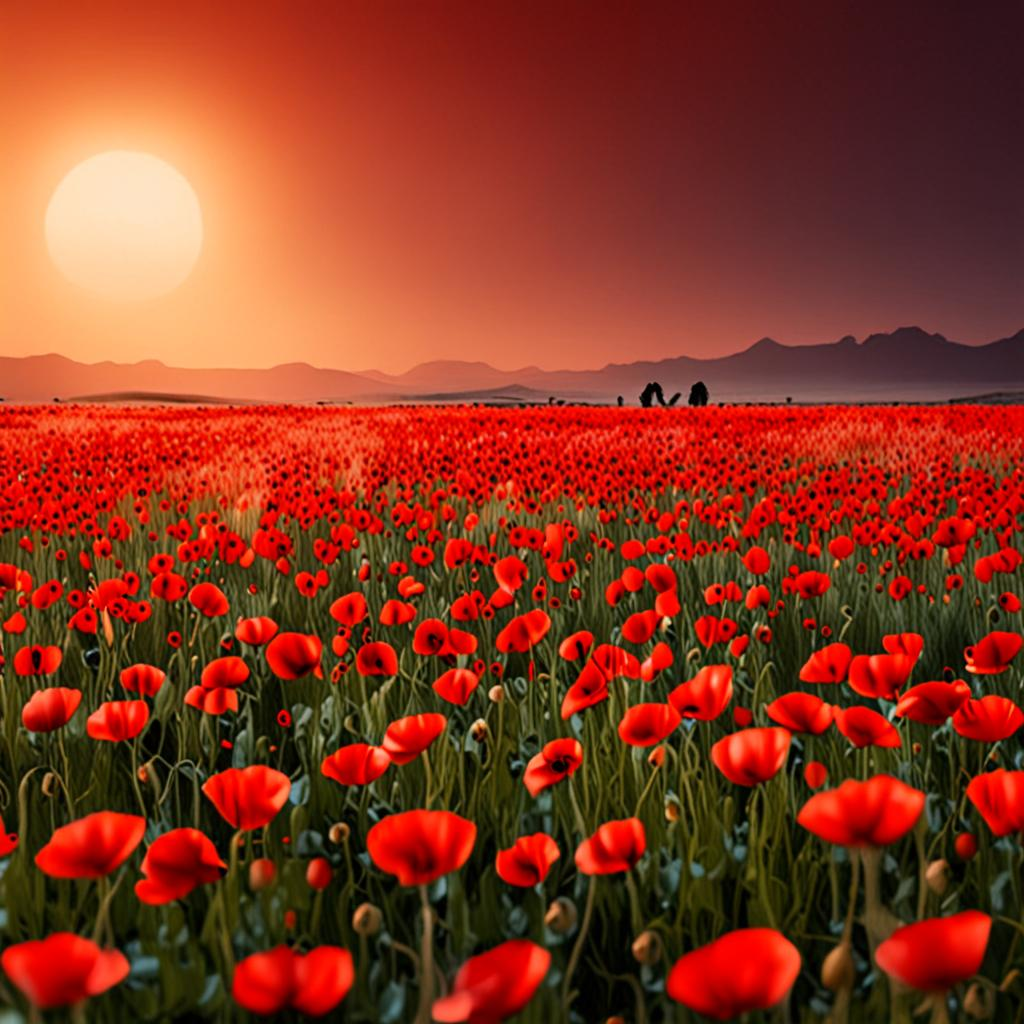
The Surreal Experience of Dreaming of Endless Red Poppies
To dream of a landscape that repeats infinitely often suggests a state of mental looping. When you find yourself wandering through an endless expanse of red, it may reflect a feeling of being overwhelmed by a particular emotion or a situation in your waking life that feels inescapable.
In the current climate, this "endlessness" often mirrors the practical anxieties of modern British life. Whether it is the treadmill of a demanding corporate job in the City, the persistent stress of the property ladder, or the draining experience of navigating NHS waiting lists, the feeling of "walking but getting nowhere" is a common psychological motif. The red of the poppies acts as an emotional amplifier—representing passion, warning, or deep-seated grief—making the dream feel more urgent than a typical night's fantasy.
From a Jungian perspective, this landscape could be viewed as a projection of the "collective unconscious." You are not merely dreaming of a flower, but of an archetype. The poppies represent a bridge between the conscious desire for peace and the subconscious recognition of pain.
The Symbolism of Poppies: From National Remembrance to Personal Peace
To understand the meaning of dreaming of endless red poppies, one must consider the duality of the flower's symbolism within British culture.
The Weight of Remembrance
For most of us, the poppy is inextricably linked to Remembrance Sunday. Consequently, these dreams often surface when the dreamer is grappling with a sense of loss—not necessarily the death of a person, but perhaps the death of a version of themselves, a failed career path, or a lost opportunity. It is a dream of mourning, but it is also a dream of honouring what once was.
The Allure of Oblivion
Historically and botanically, poppies are associated with opium and sleep. In the language of the unconscious, an endless field of poppies can symbolise a desire for escape. If your daily life is characterised by the grey monotony of a long commute or the suffocating pressure of mortgage repayments, your mind may create a vivid, crimson sanctuary. It is a psychological "opt-out" button—a yearning for a state of oblivion where the stresses of 2026 simply cease to exist.
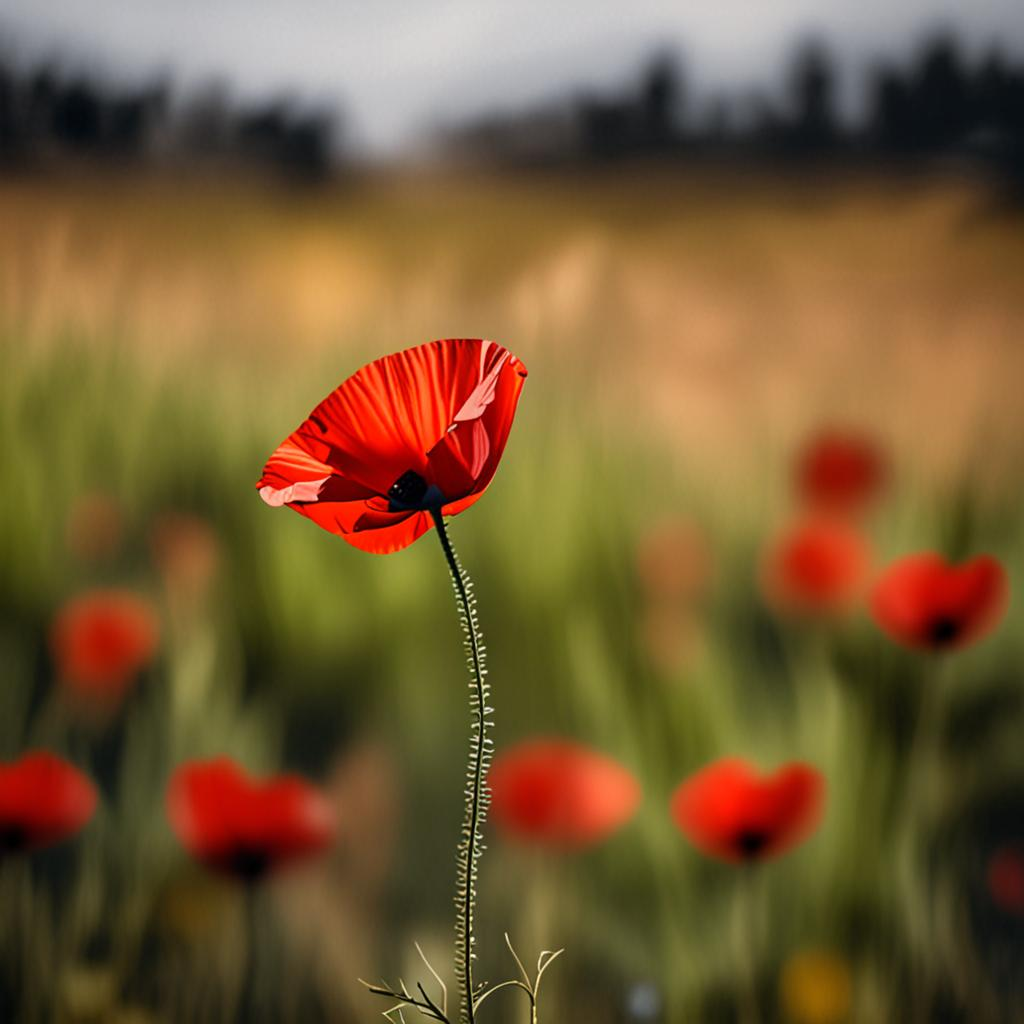
Processing the Dream: A Week of Psychological Reflection
Rather than viewing such a dream as a one-off omen, it is more useful to treat it as a psychological signal that requires unpacking. If this imagery persists, it often takes about a week for the emotional "residue" to clear and for the actual meaning to reveal itself.
Days 1–2: The Emotional Echo Immediately after the dream, you may feel a lingering sense of melancholy or restlessness. This is the "shadow" of the dream. Instead of dismissing it, acknowledge the colour. Why red? Does it feel like anger, love, or a warning?
Days 3–4: Identifying the "Endless" Element Ask yourself what in your waking life feels like that endless field. Is it a project at work that never seems to finish? A family obligation that feels perpetual? By linking the dream's geography to your real-world stress, the dream loses its mystery and becomes a useful diagnostic tool.
Days 5–7: Integration and Release By the end of the week, the goal is to move from the feeling of being "lost" in the field to "observing" the field. In psychological terms, this is moving from the ego to the observer. You realise that the poppies are not a trap, but a reflection of your need for rest or remembrance.
Moving Forward: Integrating the Dream into Daily Life
Once you have identified the stressor—be it workplace politics or general existential dread—the challenge is to implement a "grounding" mechanism. British reserve often leads us to bottle up these anxieties until they manifest as vivid, surreal dreams.
The most effective way to handle the aftermath of such a dream is to consciously introduce "stillness" into your routine. If your mind is seeking the oblivion of a poppy field, give it a healthier version of that peace. This might mean a genuine digital detox over the weekend or a mindful walk in a local park, replacing the surreal red of the dream with the actual, grounding greens of the British countryside.
Furthermore, the quality of your sleep directly affects how your brain processes these archetypal symbols. When the mind is exhausted, dreams tend to become more fragmented and anxiety-driven. Creating a sanctuary for sleep can help you transition from the restlessness of "endless" dreams to a more restorative state. Investing in a 3D Silk Sleep Mask can be a practical step here; by blocking out the intrusive light of a streetlamp or a partner's reading light, you allow your brain to enter a deeper, more uninterrupted REM cycle, where psychological processing happens more efficiently and less frantically.
Ultimately, dreaming of endless red poppies is less a prophecy and more a prompt. It is an invitation to stop walking in circles and to address the things we have spent too long trying to ignore.
FAQ: Understanding Poppy Dreams
What does it mean to dream of red flowers in the UK? While red flowers generally symbolise passion or love, in a UK context, red poppies often carry a weight of remembrance or a subconscious link to sacrifice and loss. It may suggest you are processing a period of transition or mourning a past version of your life.
Is dreaming of endless landscapes a sign of anxiety? Often, yes. An endless or repeating landscape typically reflects a feeling of being "stuck" in a waking-life situation—such as a dead-end job or a stagnant relationship—where you feel you are making effort but seeing no progress.
Why do some people feel exhausted after dreaming of red poppies? Vivid colour saturation in dreams can be mentally taxing. Additionally