You wake up with a lingering feeling of warmth—or perhaps a heavy sense of unease—after seeing a relative you haven't thought about in years. Maybe it was a grandparent who passed away long ago, or an ancestor you only know through faded black-and-white photos. These types of ancestor dreams can feel incredibly vivid, almost as if the person was actually in the room with you, leaving you to wonder: Was that just a memory, or is my subconscious trying to tell me something important?
In our fast-paced, digital-first world, many of us feel disconnected from our roots. However, as we move through 2026, there is a growing cultural shift toward "shadow work" and understanding generational trauma. We are realizing that the stories of those who came before us aren't just history—they are woven into our DNA and our psychological makeup.
Understanding ancestor dream symbols isn't about predicting the future; it's about decoding the internal map of your psyche to find guidance, closure, and strength.

The Thin Veil Between Generations: Why We Dream of Ancestors
From a psychological perspective, dreaming of ancestors is rarely about the deceased person themselves. Instead, these figures often act as "archetypes." When your brain summons a great-grandfather or a distant aunt, it is often using that person as a symbol for a specific quality—like resilience, discipline, or perhaps a cautionary tale of instability.
In 2026, as we face increasing economic volatility and shifts in identity, our subconscious often reaches back to our lineage to find "grounding." By processing these dreams, you aren't just reminiscing; you are integrating the wisdom of your lineage to navigate your current life challenges. Whether you are dealing with job insecurity or a relationship crossroads, your mind may be searching your "genetic library" for a solution.
Top 10 Ancestor Dream Symbols and Their Hidden Meanings
When analyzing ancestor dreams, the context and the emotion of the dream are more important than the image itself. Here are the ten most common symbols and how to interpret them through a modern psychological lens.
1. The Silent Observer
You see an ancestor watching you from a distance, but they don't speak. This often represents a subconscious need for approval or a feeling that you are being "judged" by family standards. It can also signify a protective presence, suggesting that you have an internal support system you haven't fully acknowledged.
2. The Gift-Giver
Receiving an object from an ancestor usually symbolizes "inherited wisdom" or a latent talent. Ask yourself: What did this person excel at? If your grandmother was a healer and she gives you a key, your subconscious may be urging you to unlock your own intuitive or nurturing side.
3. The Urgent Warning
A dream where an ancestor appears distressed or warns you of danger often reflects your own "gut feeling" about a current situation. Whether it's a risky job move or a toxic relationship, your brain uses the authority figure of an ancestor to make the warning feel impossible to ignore.
4. The Shared Meal
Sitting down for a dinner or coffee with a deceased relative symbolizes emotional nourishment and the desire for connection. It often appears when you are feeling lonely or disconnected from your community, signaling a need to return to your core values.
5. The Lost Relic
Searching for or finding an old family heirloom suggests a quest for identity. In a world of "hustle culture," you might be feeling like a cog in a machine. This symbol is a call to reclaim your unique heritage and remember who you are outside of your professional output.
6. The Familiar Home
Returning to a childhood home or a house your ancestors lived in represents a desire for security. If the house is crumbling, it may point to unresolved generational trauma that needs healing. If it is pristine, it suggests you have found peace with your past.
7. The Mirror Reflection
Looking in a mirror and seeing an ancestor's face instead of your own is a powerful signal of recognition. It often happens during a mid-life transition or identity crisis, reminding you that you carry the strength (and the flaws) of those who came before you.
8. The Gentle Touch
A hug, a hand on the shoulder, or a kiss on the forehead is often a "healing" dream. This is common for those processing grief or working through "inner child" wounds. It is your mind's way of providing the comfort you may have lacked in waking life.
9. The Distant Landscape
Seeing your ancestors in a place you've never been (like a village in another country) represents an exploration of your origin story. It suggests a curiosity about your roots and a subconscious desire to expand your perspective on life.
10. The Radiant Light
An ancestor appearing bathed in light or smiling peacefully typically signifies closure. This is the "blessing" dream, indicating that you have successfully integrated a lesson from your past and are ready to move forward without the weight of old grief.
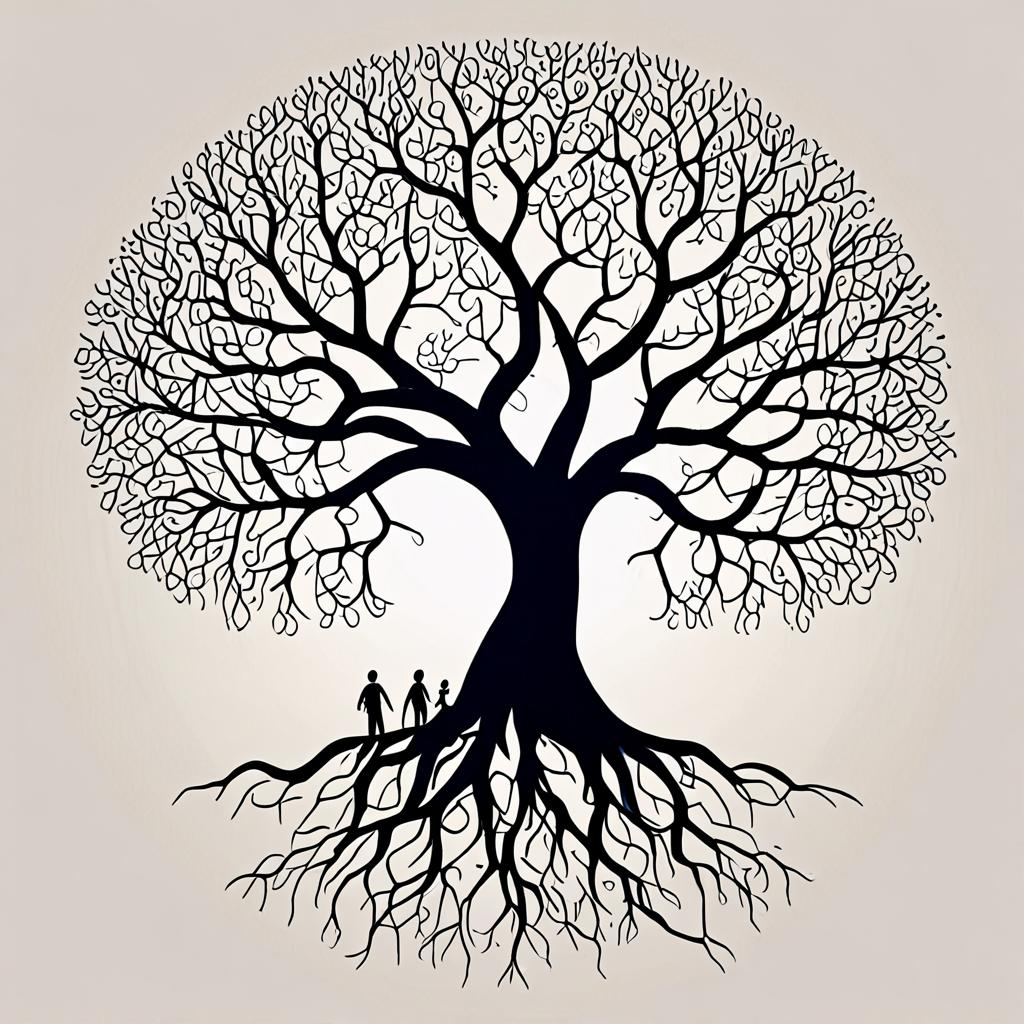
Is it a Memory or a Message?
One of the biggest questions people ask is whether they are simply remembering someone or receiving a "visitation." While we can't prove this scientifically, we can look at the patterns of the dream to understand its purpose.
| Feature | Projection/Memory Dream | Symbolic/Visitation Signal |
|---|---|---|
| Narrative | Often follows a logical sequence or a real memory. | Often surreal, fragmented, or hyper-vivid. |
| Emotion | Feels like nostalgia or longing. | Feels like a distinct "message" or a shift in energy. |
| Clarity | The person looks as you remember them. | The person may look younger, healthier, or radiant. |
| After-effect | You wake up feeling sad or wistful. | You wake up feeling a sense of clarity or resolve. |
How to Integrate These Lessons into Your Life
Once you've identified the ancestor dream symbols appearing in your sleep, the next step is integration. Your dreams are not just movies; they are prompts for action in your waking life.
- Start a Dream Journal: Write down the emotion of the dream before the details. Did you feel safe? Scared? Guided? This tells you more about your current mental state than the plot does.
- Address Generational Patterns: If you dream of an ancestor who struggled with anger or poverty, ask yourself if you are repeating those same patterns in your current career or relationships.
- Create a Small Ritual: You don't need to be superstitious. Simply lighting a candle or looking at an old photo can signal to your subconscious that you are open to the wisdom of your lineage.
- Prioritize Your Rest: Vivid dreams happen during the REM stage of sleep. To improve your dream recall and ensure