You wake up with a lingering sense of heaviness or an unexpected feeling of peace. In your dream, you weren't alone—you were talking to a grandfather you barely remember, or perhaps a great-great-grandmother you’ve only seen in a faded sepia photograph.
Dreaming of ancestors is one of the most profound experiences the human subconscious can produce. In a world that feels increasingly fragmented, where we are often disconnected from our roots due to career moves, family drift, or the fast pace of modern life, these dreams often surface when we are searching for stability, identity, or a sense of belonging.
But what is your brain actually trying to tell you? Is it a spiritual visitation, or is it your subconscious processing "generational baggage"? Let’s dive into the psychology and symbolism of ancestral lineage symbols to find out.
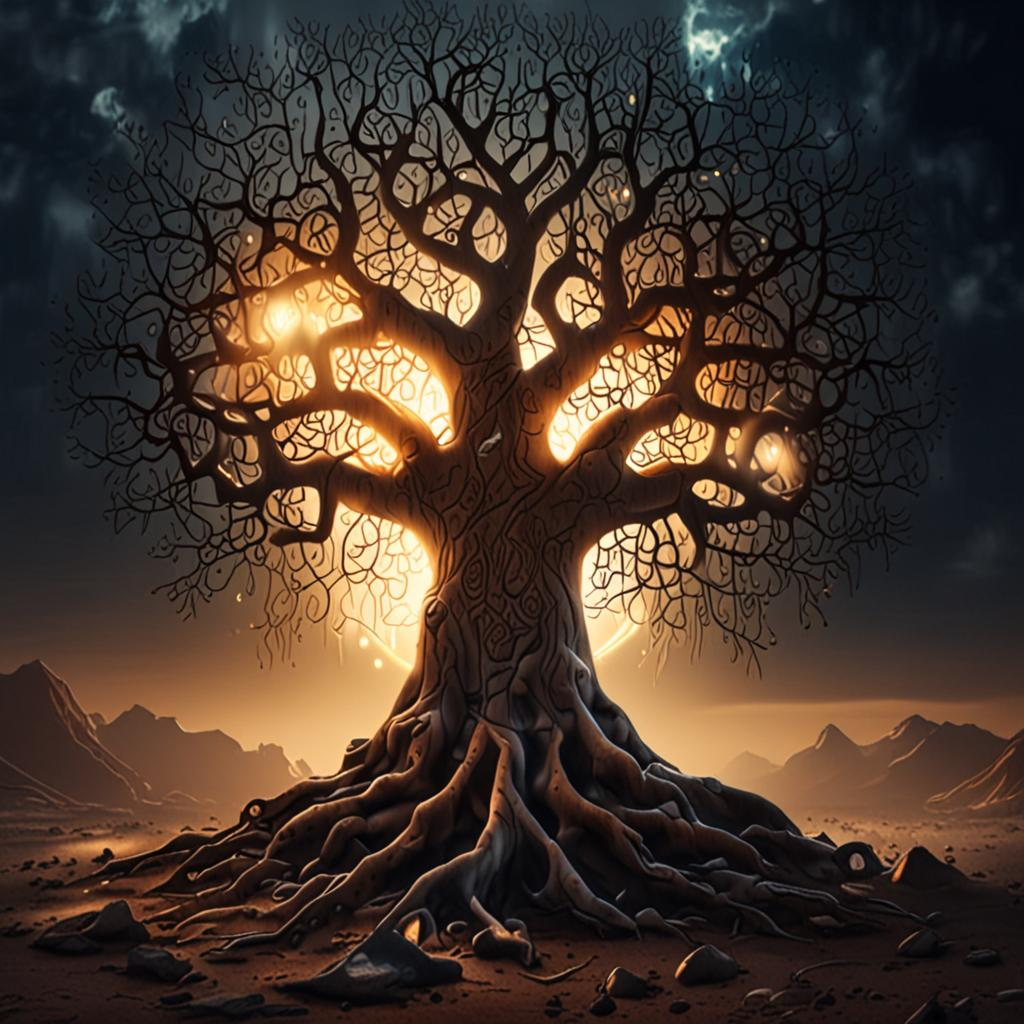
Why Do We Dream of Ancestors? The Psychology of the Lineage
From a psychological perspective, ancestors in dreams rarely represent the actual deceased person. Instead, they function as archetypes. Carl Jung, the father of analytical psychology, suggested that we all tap into a "collective unconscious"—a shared pool of human experiences and symbols.
When you dream of a forefather or foremother, your mind is likely using that person as a symbol for:
- Wisdom and Tradition: You may be facing a crossroads in your career or relationship and are subconsciously seeking the "tried and true" wisdom of those who came before you.
- Identity and Rooting: In the middle of a mid-life crisis or a major identity shift, your brain returns to your lineage to remind you of where you come from.
- Unresolved Family Patterns: We often inherit more than just eye color; we inherit emotional responses. Dreaming of ancestors can be a sign that you are processing a family trait—like a tendency toward anxiety or a drive for perfectionism—that you didn't realize you carried.
Decoding Ancestral Lineage Symbols: Generational Trauma and Guidance
In modern American culture, we talk a lot about "breaking the cycle." Whether it's recovering from a family history of addiction, financial instability, or emotional distance, we are now more aware of generational trauma than ever before.
When ancestral lineage symbols appear in your dreams, they often highlight the "Family Shadow." This is the collection of repressed emotions and secrets that have been passed down through the family tree.
Common psychological triggers for these dreams include: * High-Pressure Career Goals: If you feel the weight of needing to be the "first in the family" to achieve a certain level of success, your ancestors may appear as judges or cheerleaders. * Financial Stress: Dreams of ancestors often surface during times of economic instability, reflecting a subconscious desire for the perceived security of a simpler, ancestral past. * Relationship Turmoil: If you are struggling with a divorce or a breakup, you might dream of ancestors who had similar struggles, as your mind tries to find a blueprint for survival.

Positive vs. Negative Signals: How to Interpret the Vibe
Not all ancestral dreams are created equal. To understand the meaning, you have to look past the image and focus on the emotion of the dream.
The Guidance Signal (Positive)
If the ancestor appears calm, smiling, or offers a brief piece of advice, it usually indicates internal alignment. You are likely feeling confident in a decision or have finally integrated a part of your identity that you previously rejected. It’s a "green light" from your subconscious.
The Warning Signal (Negative)
If the ancestor is angry, silent, or seems disappointed, it rarely means you've actually upset a dead relative. Instead, it reflects internal guilt or fear. You might feel that you are failing to live up to a family standard, or you are repeating a mistake that you know your ancestors made.
The Ancestral Archetype Encyclopedia: Common Symbols and Their Meanings
Depending on who appears in your dream, the subconscious message changes. Here are the most common ancestral figures and what they represent in a modern context:
- The Wise Elder: This figure usually represents your "Internal Mentor." When they appear, it’s often a sign that you already have the answer to your problem, but you need to trust your intuition more.
- The Stern Patriarch/Matriarch: These figures often symbolize the "Super-Ego" or the pressure of hustle culture. They represent the expectations, rules, and pressures you feel to succeed in the eyes of others.
- The Distant Relative (Someone you never met): This represents a lost part of your identity. You may be craving a connection to a culture, a hobby, or a personality trait that your family once possessed but lost over time.
- The Silent Ancestor: When a relative appears but refuses to speak, it often symbolizes an "unspoken truth" or a family secret. It suggests there is something in your lineage that needs to be acknowledged before you can move forward.
- The Healing Figure: An ancestor who hugs you or cleanses you represents emotional recovery. This is common after a period of intense grief or a major mental health breakthrough.
- The Warning Figure: An ancestor who looks frightened or tries to stop you from doing something usually mirrors your own anxiety about a current life decision.
- The Crowd of Ancestors: Seeing a vast number of relatives can feel overwhelming. This often symbolizes the "weight of expectation"—feeling like your life isn't just yours, but is being watched