You wake up with a heavy chest and a lingering sense of sadness. In your dream, a grandparent, a great-uncle, or perhaps an ancestor you never even met was weeping. You might feel a surge of guilt, a chill of fear, or a desperate need to know: Are they trying to warn me about something? Or is this just a reflection of my own stress?
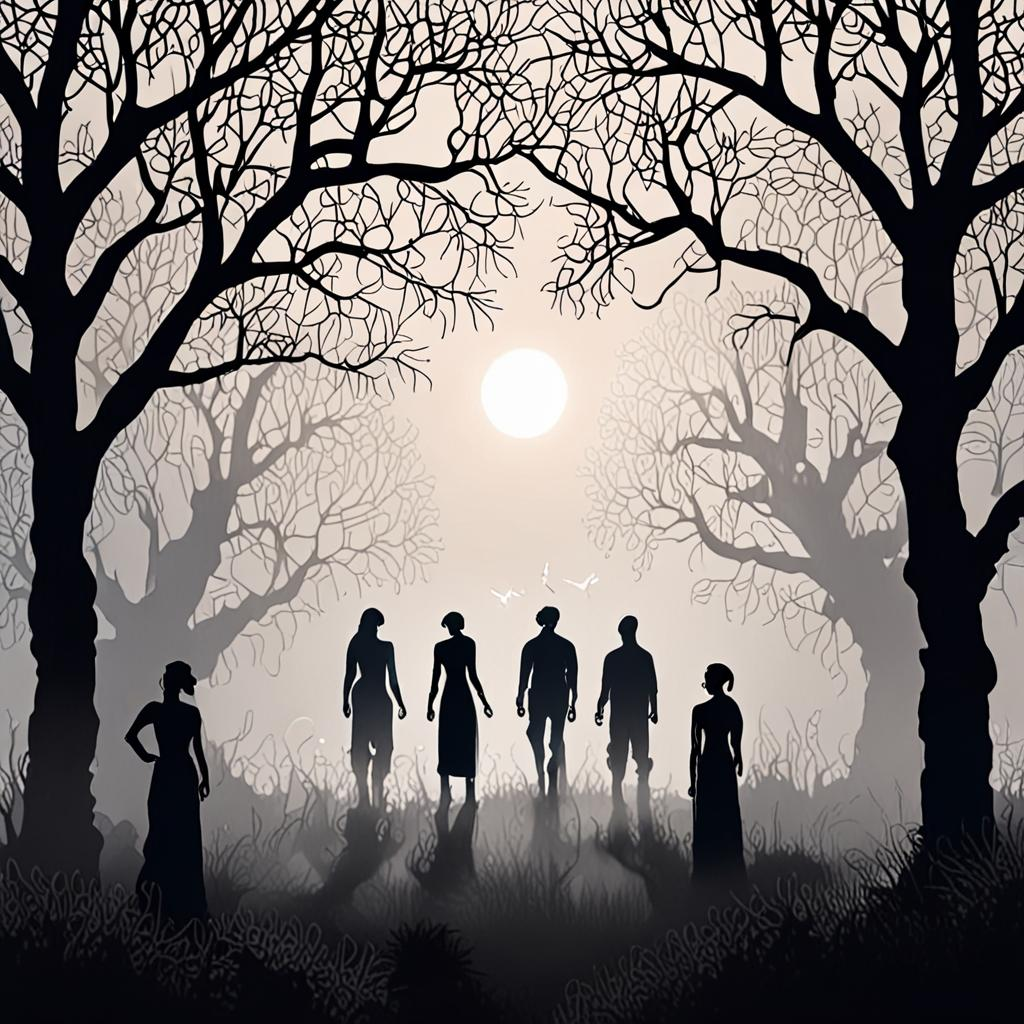
When you find yourself searching for the dreaming of ancestors crying meaning, it rarely points to a literal haunting or a supernatural omen. Instead, for most of us, these dreams are powerful transmissions from the subconscious. They often act as a mirror, reflecting our current anxieties, our relationship with our heritage, or the "generational baggage" we are still carrying into our adult lives.

The Psychology Behind the Tears: Why Ancestors Appear
In modern psychology—specifically Jungian analysis—ancestors often represent the "Collective Unconscious." They aren't just people from your family tree; they are archetypes of wisdom, tradition, and the roots of your identity.
When an ancestor cries in your dream, it usually isn't about their sadness, but about yours. In our current high-pressure culture, your brain often uses these figures to externalize feelings that you might be suppressing during your 9-to-5. You might be experiencing:
- Unresolved Grief: You may be processing a loss that you didn't have the space to mourn fully due to the demands of your career or family obligations.
- Generational Trauma: Many of us carry "shadow work" passed down through our parents—patterns of anxiety, scarcity mindsets, or emotional unavailability. A crying ancestor can symbolize the pain of these inherited cycles that you are finally ready to break.
- Moral Conflict: If you are facing a major life decision—like a career pivot or a relationship change—that contradicts your family's traditional values, your mind may project this tension onto a parental or ancestral figure.
- The "Hustle Culture" Burnout: In a society that demands constant productivity, these dreams often emerge when we've lost touch with our roots or our sense of belonging, leaving us feeling emotionally adrift.
7 Common Scenarios and Their Dreaming of Ancestors Crying Meaning
Not all tears are created equal. The way your ancestor cries and the context of the dream provide the clues you need to decode the message.
1. The Silent Tear
If the ancestor is weeping quietly or a single tear rolls down their cheek, this often represents a subtle misalignment. It is less about a "catastrophe" and more about a "nudge." You might be drifting away from your authentic self or ignoring a quiet intuition about a current life path.
2. Wailing or Intense Sobbing
Hysterical crying often mirrors your own current state of overwhelm. If you're drowning in student loans, facing a volatile workplace, or dealing with a sudden life upheaval, your brain uses the image of a grieving ancestor to express the intensity of your inner turmoil.
3. Crying Specifically Over You
This is where the guilt kicks in. If they are looking at you with sadness, it often signals a feeling of "disconnection." You may feel like you've let your family down, or perhaps you're struggling with your identity and feel a lack of support from your roots.
4. Crying Over Another Family Member
This suggests a projection of empathy. You might be subconsciously aware of a rift or a hidden struggle within your extended family—something that hasn't been spoken about at the dinner table but is felt in the emotional atmosphere of your home.
5. Crying While Pointing or Gesturing
This is a classic "signal" dream. Your subconscious is trying to draw your attention to a specific area of your life. Are you neglecting your health? Is there a financial leak you're ignoring? The crying is the "alarm," and the gesture is the "map."
6. Crying in a Childhood Home
When the setting is a place from your past, the dream is likely about "Inner Child" work. It suggests that there is a wound from your upbringing that still needs healing before you can fully move forward into your future.
7. Crying, Then Transitioning to a Smile
This is one of the most positive symbols. It represents the "release." It suggests that you are successfully processing old trauma or that a period of hardship in your life is finally coming to an end.
How to Process the Dreaming of Ancestors Crying Meaning in Your Waking Life
Once you've identified the potential meaning, the goal is to move from anxiety to action. Here are a few practical, therapy-grounded steps to find peace and closure:
1. Journal the Emotion Don't just write what happened; write how it felt. Were you scared? Sad? Annoyed? The emotion is the real key. If you felt guilt, ask yourself: "Whose expectations am I trying to meet that aren't actually mine?"
2. Practice "Cycle Breaking" If the dream feels tied to generational trauma (e.g., a history of financial instability or emotional distance in the family), acknowledge it. Tell yourself, "I recognize this pain, but I am not required to repeat it." This is the essence of healing your ancestral line.
3. Create a Small Ritual of Acknowledgment You don't need to be superstitious to find value in ritual. Lighting a candle, looking at old photos, or simply spending five minutes in silence thinking about your lineage can help "ground" the dream and turn the sadness into a sense of connection.
4. Check Your Stress Levels Often, these dreams peak during times of extreme burnout. If you've been working 60-hour weeks or dealing with constant conflict, your brain may be using this imagery to tell you that you are emotionally exhausted. It's a sign to prioritize self-care.
FAQ: Common Questions About Ancestor Dreams
Is dreaming of ancestors crying a bad omen for the future?
Not at all. In a psychological context, these dreams are not predictions of doom. Instead, they are "status reports" from your subconscious. They highlight current emotional stressors or unresolved feelings so that you can address them and move