You wake up with a heavy chest and a lingering sense of sadness that you can’t quite shake. In your dream, a grandparent, a great-uncle, or perhaps an ancestor you never even met in real life was standing before you—and they were weeping.
It’s a jarring experience. Unlike dreams about flying or falling, dreaming of ancestors weeping often feels less like a random brain-dump and more like a targeted message. You might find yourself wondering: Are they unhappy with me? Is something bad about to happen? Or am I just projecting my own stress?
In the US, we often view these dreams through two lenses: the spiritual and the psychological. Whether you believe in a connection to the afterlife or you see your dreams as a mirror of your own mental state, a weeping ancestor is rarely a "bad omen" in the superstitious sense. Instead, it is usually a powerful signal from your subconscious about your current emotional health, your family legacy, and the unique pressures you're facing in 2026.
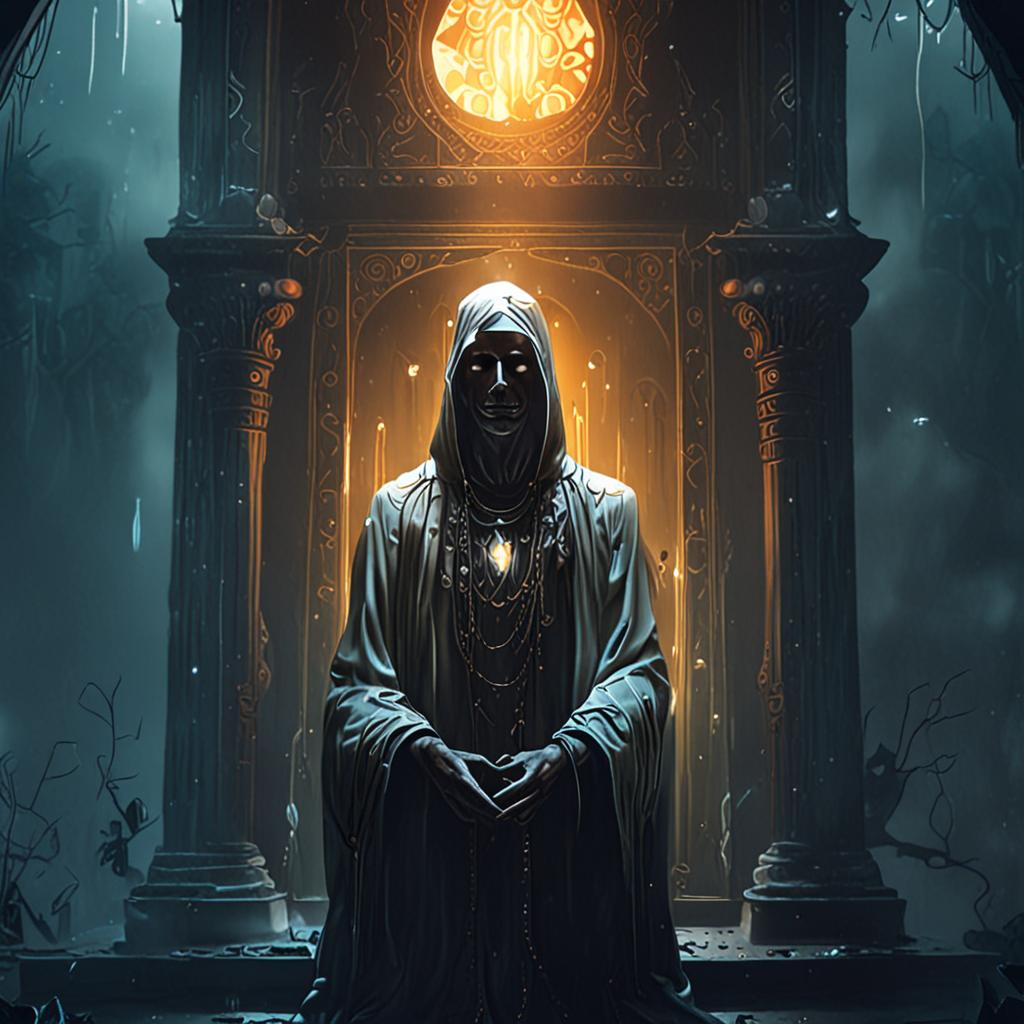
The Psychology Behind Dreaming of Ancestors Weeping
From a psychological perspective, ancestors in our dreams often act as "archetypes." They aren't necessarily the actual people who passed away, but symbols of authority, tradition, wisdom, and the "roots" of who you are.
When you see an ancestor weeping, your mind is likely using a figure of respect and love to grab your attention. In a fast-paced culture driven by hustle and high performance, many of us push our emotions under the rug just to get through the work week. Your subconscious, however, doesn't forget.
Dreaming of ancestors weeping is often a manifestation of "projected grief." This happens when you have unresolved sadness—perhaps from a job loss, a relationship breakdown, or a general sense of instability—that you aren't allowing yourself to feel while awake. Because it's difficult to face your own pain directly, your mind projects that sadness onto a figure of ancestral strength to make it "safe" to process.
Common Scenarios and Their Meanings
Not every weeping dream is the same. The context of the dream—how they cried and how you reacted—provides the map to the meaning.
The Transition: From Smiling to Crying
If your ancestor starts the dream happy but begins to weep as you talk, this often reflects a conflict between your "ideal self" and your "real self." You might be presenting a perfect image to the world (the smile), but internally, you feel you are betraying your own values or the legacy your family built (the tears).
The Comforting Cry: Hugging While Weeping
If you are holding your ancestor while they cry, this is generally a positive sign of emotional processing. It suggests you are beginning to heal from generational trauma—the patterns of anxiety, addiction, or emotional distance passed down through your family tree. You are finally "holding" the pain and letting it go.
The Silent Weeper
An ancestor who cries without making a sound often symbolizes a "muted" warning. This is your intuition flagging something in your waking life that feels "off." It could be a toxic work environment, a failing mortgage, or a friendship that has turned sour. Your subconscious is telling you that something is wrong, even if you haven't admitted it to yourself yet.
7 Common Interpretations: What the Tears Really Mean
If you've been dreaming of ancestors weeping, here are seven practical ways to interpret the experience based on modern psychology and symbolic analysis.
- Unresolved Grief: You may have "checked the box" of mourning, but you haven't actually processed the loss. The tears are a reminder that it's okay to still be sad.
- Generational Trauma: You are picking up on a pattern (like financial instability or emotional volatility) that has plagued your family for decades, and your mind is flagging it as something that needs to be broken.
- The "Wake-Up Call": You might be ignoring a major red flag in your professional or personal life. The weeping serves as an emotional alarm clock.
- Disconnection from Roots: In a digital, globalized world, many of us feel adrift. This dream can signal a longing for belonging or a feeling that you've lost touch with your identity.
- Projected Guilt: You might feel you aren't living up to the expectations of your family or the "standard" set by those who came before you.
- Emotional Overwhelm: When the stress of 2026—inflation, career pivots, and social pressure—becomes too much, your brain creates a "safe" image (an ancestor) to express the overwhelm you can't voice at the office.
- A Call for Healing: The tears represent a need for closure. There may be an apology you never got or one you never gave.
How to Process This Dream and Find Peace
Once you wake up from a dream like this, the goal isn't to predict the future, but to improve your present. Here is how to handle the emotional aftermath:
1. Journal the Emotion, Not Just the Plot Instead of writing "My grandma was crying," write "I felt a sense of deep disappointment and helplessness." Identifying the emotion helps you locate where that feeling exists in your current waking life.
2. Audit Your Current Stressors Ask yourself: Where in my life do I feel like I'm failing or being misunderstood? Often, the "weeping ancestor" is simply a mirror of your own internal critic.
3. Create a Ritual of Closure You don't need to be superstitious to find value in ritual. Write a letter to the ancestor you saw, tell