You wake up and for a split second, you feel a strange sensation—a lingering feeling of a limb that isn't there, or perhaps the phantom weight of an extra arm you didn't know you had. You check your body, everything is intact, but the memory of that somatic experience clings to you. Sound familiar?
Dreaming about phantom limbs in dreams is rarely about your physical health. Instead, these are "somatic symbols"—the way your subconscious uses the map of your body to communicate emotional distress, missing pieces of your identity, or the sheer exhaustion of modern life. In 2026, as we navigate an era of unprecedented burnout and digital disconnection, these dreams are becoming more common as our brains try to process where we feel "incomplete" in our waking lives.
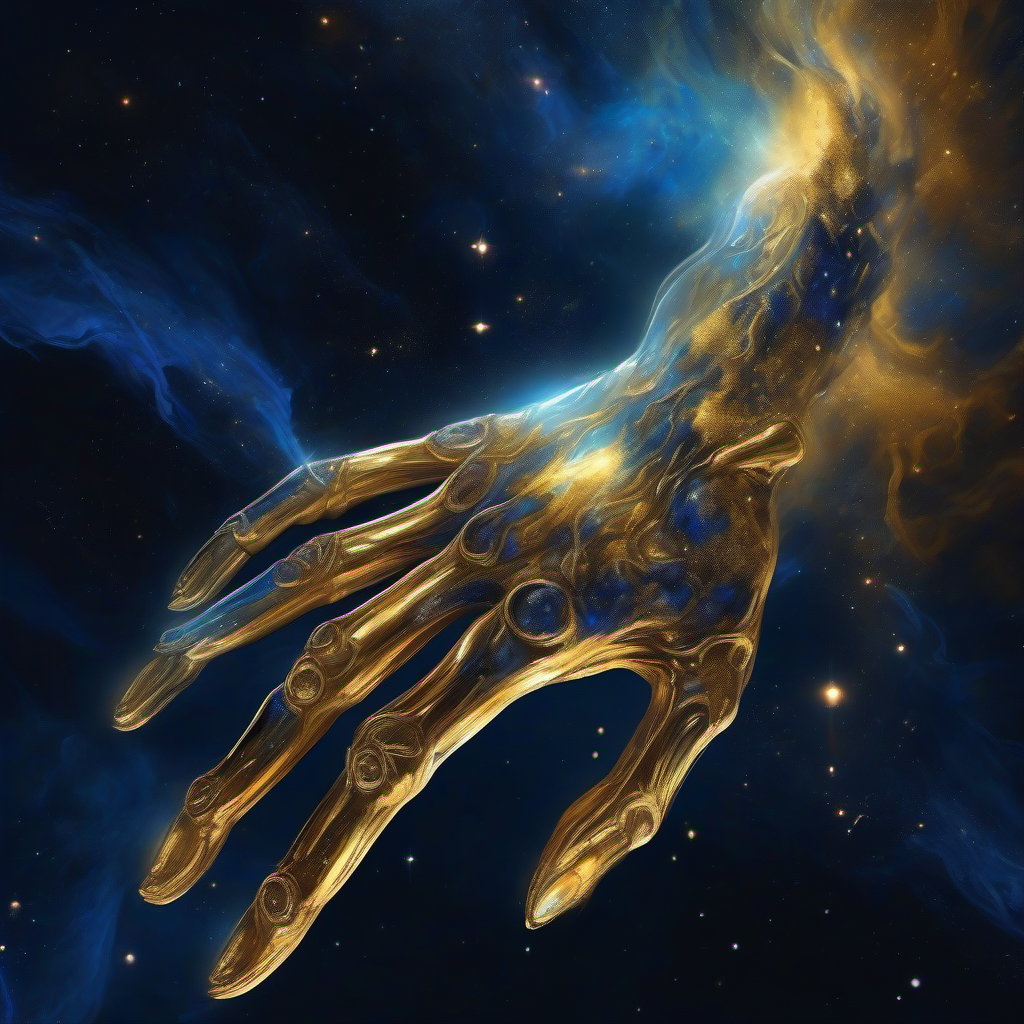
The Definition: What Are Phantom Somatic Symbols?
When we talk about phantom limbs in dreams, we aren't discussing medical phantom limb syndrome. Instead, we are looking at psychic projections. Your brain creates a "somatic symbol" to represent a feeling that is too complex for words.
In therapy culture, we often talk about "the body keeping the score." When you have repressed memories or unresolved anxiety, your mind may translate that emotional "void" into a physical one within the dream state. For example, if you feel you have lost your "grip" on your career or a relationship, your subconscious might literally remove your hand from the dream narrative.
There is a key distinction here: sensory-motor dreams (where you feel clumsy or paralyzed) are often linked to REM atonia—the natural paralysis during sleep. However, symbolic phantom limbs—where you are consciously aware of a missing or added part—are signals from the shadow self, pointing toward an area of your life that requires integration.
Somatic Dream Analytics: Mapping Tension to Symbolism
To understand the intensity of these dreams, we can look at how specific body parts correlate with different types of psychological pressure. In the high-pressure environment of 2026, these patterns often align with burnout levels.
| Phantom Limb Type | Primary Psychological Tension | Burnout Correlation | Emotional Core |
|---|---|---|---|
| Missing Arm/Hand | Loss of agency or control | High (Work-related) | Helplessness |
| Missing Leg/Foot | Stagnation or fear of moving forward | Medium (Life Transition) | Anxiety |
| Phantom Sensory Organ | Disconnect from intuition/truth | High (Identity Crisis) | Denial |
| Extra/Added Limb | Over-extension of boundaries | Very High (Caregiver fatigue) | Exhaustion |
| Phantom Weight/Pressure | Internalized responsibility | Medium (Financial Stress) | Burden |
Historical and Jungian Perspectives on the Incomplete Self
The idea of disembodiment isn't new. From a Jungian perspective, dreaming of phantom limbs in dreams is a classic encounter with the "Incomplete Self." Carl Jung believed that we all have a "shadow"—the parts of ourselves we deny or hide. When you dream of a missing limb, your subconscious is highlighting a "missing" piece of your psyche.
Perhaps you have suppressed your creativity to climb the corporate ladder, or you've silenced your intuition to please a partner. The phantom limb is not a sign of loss, but a call for integration. It is your mind's way of saying, "There is a part of you that is missing from your current life experience." This is a common signal for those engaging in "shadow work," as the brain tries to reconcile the person you are with the person you feel you should be.

7 Secrets of Phantom Anatomy: Decoding the Subconscious
If you've been experiencing these strange somatic dreams, here are seven common interpretations grounded in modern psychology and the stresses of American life.
1. The Phantom Hand: The Symbol of Unreachable Goals
Hands are our primary tools for interacting with the world. Dreaming of a missing hand often mirrors a feeling of powerlessness. If you're struggling with job insecurity or feel like you have no say in a major life decision, your brain may symbolize this as a lost hand. You are literally "unable to grasp" the situation.
2. The Missing Leg: Stagnation in Life Transition
Legs represent our forward momentum. A phantom leg often appears when you feel stuck. This is common for those facing a "quarter-life" or "mid-life" crisis in 2026, where the traditional path to success—degree, career, homeownership—feels broken or unattainable.
3. The Invisible Sense: Intuition Failing Under Stress
Dreaming that you cannot see, hear, or smell—despite having the organs—suggests a "sensory shutdown." This happens when we are so overwhelmed by stress (like mortgage anxiety or family conflict) that we subconsciously choose to "tune out" the truth to survive the day.
4. The Phantom Weight: Internalized Emotional Burdens
Feeling a heavy weight on a limb that isn't there often correlates to "carrying the weight of the world." In the US, this is frequently linked to the "sandwich generation"—people caring for both their children and their aging parents simultaneously.
5. The Phantom Pain: Unresolved Trauma
When a non-existent limb hurts in a dream, it is often a somatic manifestation of "emotional scarring." This is a common trauma response where the mind assigns a physical location to a psychic pain that hasn't been processed in therapy. It's a signal that an old wound is being reopened by a current event.
6. Extra Limbs: The Curse of the People-Pleaser
Dream