You wake up with a heavy chest, a lingering sense of anxiety, and a familiar feeling of frustration. You just spent eight hours trapped in a loop, dreaming of toxic relationship cycles with someone who hasn't been in your life for years—or perhaps someone who is still there, but is draining the life out of you.
It feels like a setback. You’ve done the work, you’ve gone to therapy, and you’ve set your boundaries, yet your brain decides to drag you back into the chaos the moment you close your eyes. Sound familiar?
First, take a deep breath. These dreams aren't a sign that you're failing or that you're "destined" to be with a toxic person. In the world of psychology, these dreams are rarely about the other person. Instead, they are reflections of your own internal processing, unresolved trauma, and the "emotional echoes" your brain is trying to clear out.

Why Do We Keep Dreaming of Toxic Relationship Cycles?
When we experience a toxic dynamic—whether it's a narcissistic partner, an emotionally unavailable parent, or a volatile friendship—it leaves a psychological imprint. In the US, we often talk about "trauma bonding," where the intermittent reinforcement (the highs and lows) creates a powerful chemical addiction in the brain.
Your subconscious doesn't have a "delete" button; it has a "process" button. When you are dreaming of toxic relationship cycles, your mind is often trying to solve a puzzle that didn't have a logical answer in real life. You are searching for the "why" or the "closure" that the toxic person refused to give you.
These dreams often spike during times of high stress. If you're facing a demanding quarter at work, financial instability, or a new relationship that triggers old fears, your brain may revert to these familiar (albeit painful) dream scripts as a way of processing current anxiety through an old lens.
The Dream Map: Common Symbols of Emotional Toxicity
Not every toxic dream looks the same. Depending on your specific emotional pattern, your subconscious will use different metaphors to signal distress.
- The Infinite Loop: You are having the same argument over and over. This typically represents a "cognitive loop"—a situation in your waking life where you feel unheard or stuck in a stalemate.
- The Chase or Escape: You are trying to get away from the person, but the doors are locked or the hallway is endless. This is a classic anxiety response, signaling that you feel trapped by a current obligation or lingering emotional guilt.
- The "Good Version" Illusion: You dream of the person being kind, loving, and apologetic. This is often the most painful dream because it mirrors the "love-bombing" phase of a toxic cycle. It’s usually a sign of grieving the potential of the person rather than who they actually are.
- The Betrayal Plot: Even if you've moved on, you dream they are cheating or lying again. This is less about them and more about your own "hyper-vigilance"—a trauma response where your brain is scanning for danger to keep you safe.
- The Ghosting/Silence: You are screaming at them, but they can't hear you or they simply walk away. This reflects the frustration of lacking closure and the struggle to validate your own experience without the other person's acknowledgment.
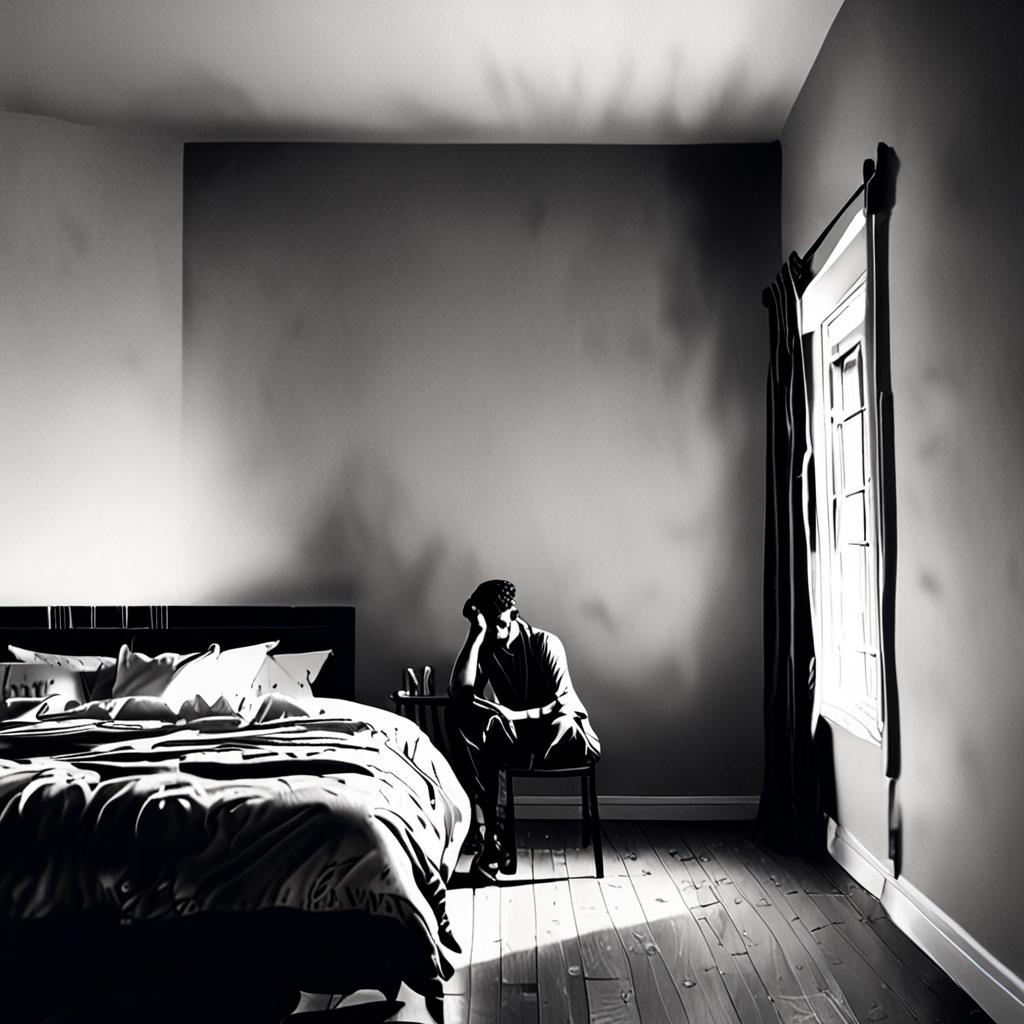
7 Psychological Insights into Dreaming of Toxic Relationship Cycles
To move past these patterns, we need to look at the "shadow work" behind the imagery. Here are seven psychological reasons why these dreams persist in 2026.
1. The Myth of Closure
Many of us are conditioned to believe we need a final conversation to move on. However, toxic people rarely provide honest closure. Your dream is attempting to create the resolution your waking life lacked, essentially "scripting" an ending so your brain can finally archive the file.
2. Childhood Blueprints
According to attachment theory, we are often drawn to what is familiar, even if it's harmful. If you grew up with an inconsistent caregiver, your brain might categorize "chaos" as "intimacy." Dreaming of these cycles is often your inner child trying to "fix" the original wound by succeeding where they previously failed.
3. The Mirror Effect
In Jungian psychology, people in our dreams often represent parts of ourselves. The "toxic" person might actually symbolize a part of you that you've suppressed—perhaps your own anger, your need for boundaries, or your tendency to self-sacrifice. They are a mirror for your "shadow self."
4. The Biology of Trauma Bonds
Trauma bonds create a biological addiction to the dopamine spikes of reconciliation. When you are stressed or lonely in your waking life, your brain may "crave" that familiar intensity, triggering a dream about the toxic partner not because you miss them, but because your nervous system remembers the chemical rush.