You wake up in a cold sweat, the feeling of disorientation still clinging to you. In your dream, the walls seemed to shift every time you turned a corner. You were trapped in a maze—a labyrinth—and no matter how fast you ran or how carefully you tracked your steps, the exit remained stubbornly out of reach. Sound familiar?
Getting lost in a labyrinth dream is rarely about a literal maze. In the context of our high-pressure lives in 2026, this dream is usually a vivid projection of your internal mental state. Whether you're navigating a complex corporate restructure, struggling with a "situationship" that refuses to progress, or feeling the crushing weight of mounting financial obligations, your brain uses the symbol of the labyrinth to process the feeling of being "stuck."

Is Getting Lost in a Labyrinth Dream a Bad Omen?
First, let's clear something up: this dream is generally neutral. Unlike dreams of falling or teeth falling out—which often signal acute anxiety or a sudden loss of control—a labyrinth is a symbol of a journey.
From a psychological lens, particularly Jungian archetypes, the labyrinth represents the path to the center of the self. While the feeling of being lost is stressful, the act of navigating the maze suggests that you are actively trying to solve a problem. You aren't standing still; you are searching. Your subconscious isn't predicting a disaster; it's reflecting your current process of "figuring things out." It is a signal that you are in a period of transition, even if that transition feels confusing right now.
Navigating the Maze: Common Questions and Interpretations
When we analyze the meaning of getting lost in a labyrinth dream, the specific emotions you feel during the experience change the narrative. Here are the most common questions US readers ask about these vivid experiences.
Q1. What does it mean if I’m desperately searching for the exit?
If your primary emotion is urgency, this often mirrors "analysis paralysis" in your waking life. You might be facing a major decision—like whether to pivot careers, move to a new city, or end a long-term relationship—and you feel that there is only one "right" way out. The desperation reflects the pressure you're putting on yourself to find the perfect solution immediately.
Q2. Why do I feel a sense of panic or claustrophobia in the dream?
Panic in a labyrinth often correlates with burnout. In a culture that prizes "the hustle," many of us feel trapped by the very lives we've built. If the walls feel like they are closing in, ask yourself: Where in my life do I feel I have no room to breathe? This is often a trauma response to an overscheduled life or an oppressive work environment where you feel you have no autonomy.
Q3. What if I encounter a guide or another person in the maze?
Meeting someone else in your dream is a powerful signal. Depending on who they are, this could represent your "inner child" seeking guidance, or a projection of a mentor you wish you had in real life. If the guide is a stranger, it may be your subconscious telling you that the answer to your current problem lies in a perspective you haven't considered yet—perhaps a professional therapist or a neutral third party.
Q4. Is it significant if I feel completely trapped with no way out?
Feeling truly stuck, without the ability to move, often points to a perceived "dead end" in your personal growth. It's less about the maze and more about the feeling of stagnation. This is a common dream for those dealing with systemic barriers, such as overwhelming student loan debt or a mid-life identity crisis, where the "path forward" feels blocked by forces outside your control.
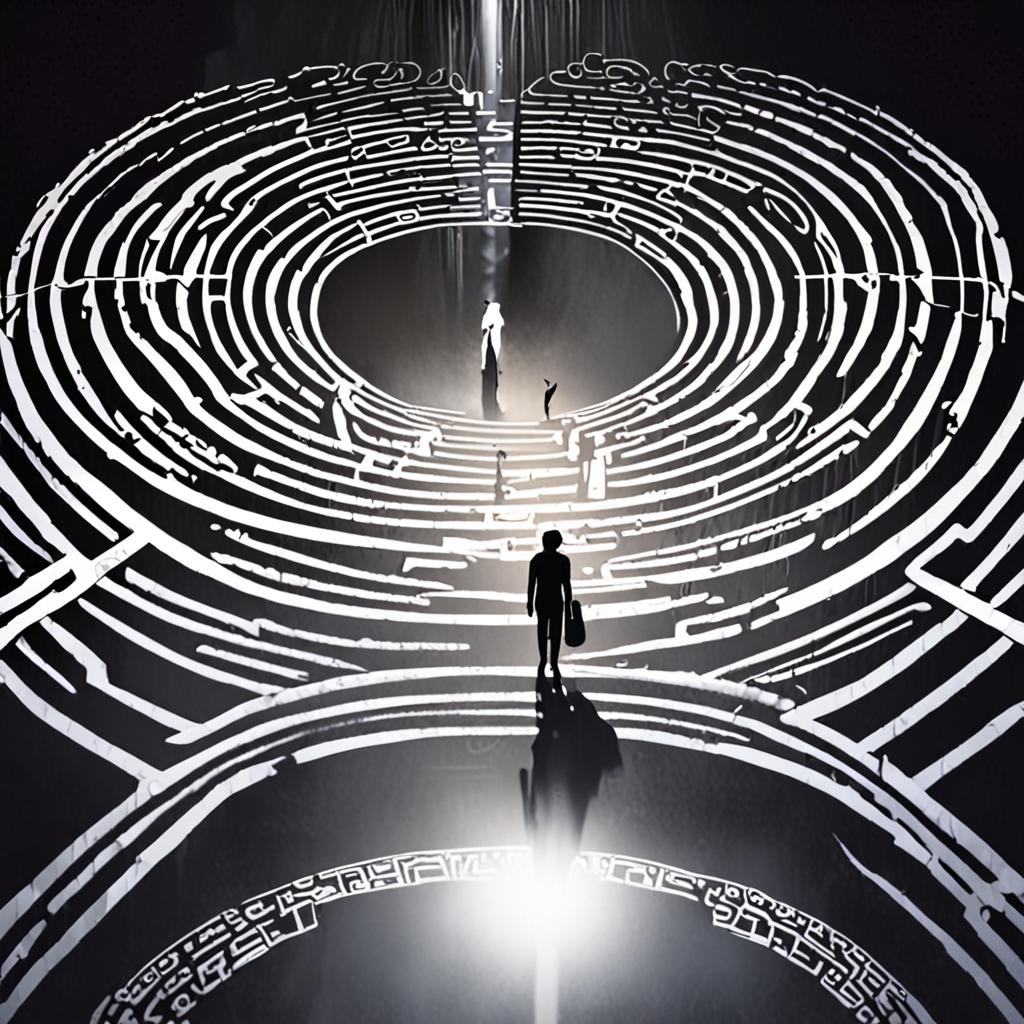
7 Secrets: Decoding the Subconscious Meaning of Your Labyrinth
To truly understand the meaning of getting lost in a labyrinth dream, we need to look at the deeper psychological layers. Here are seven ways to interpret this symbol based on modern life stressors.
1. The Mental Loop (Overthinking)
If you find yourself walking in circles, you are likely caught in a cognitive loop. This happens when you replay a mistake or a conversation over and over in your head. Your brain is visualizing your "thought spirals" as physical walls. You aren't moving forward because you are too focused on the turn you took three miles back.
2. The Unconscious Desire to be "Found"
Sometimes, getting lost is a form of wish fulfillment. In a world where we are expected to be the CEOs of our own lives, there is a hidden part of us that wants someone else to step in and lead the way. This dream may be a signal that you are exhausted from being the "strong one" or the primary decision-maker in your family or workplace.
3. The Search for Hidden Paths
A labyrinth is full of dead ends, but it also contains hidden shortcuts. If you spend the dream looking for a "secret door" or a way to climb over the walls, it suggests you are looking for a non-traditional solution. You might be tired of the "standard" path (the 9-to-5 grind) and are subconsciously searching for a more authentic, alternative way to live.
4. The Patience Test
Labyrinths are designed to take time. If the dream feels slow and tedious rather than scary, it may reflect your frustration with the pace of your current progress. Whether it's waiting for a promotion or trying to heal from a breakup, your subconscious is reminding you that some journeys cannot be rushed; the process is the point.
5. Boundary Issues and Overwhelm
The walls of a labyrinth define exactly where you can and cannot go. If you feel frustrated or angry at the walls, you might be struggling with boundaries in your waking life. Are you taking on too much emotional labor for others? Are your professional boundaries being blurred by "always-on" digital culture? The maze is a physical representation of those restrictive limits.
6. The Warning Signal
While generally neutral, a labyrinth dream can be a warning if it's accompanied by a feeling of dread. It may be a signal that the path you are currently on—perhaps a specific project or a new relationship—is becoming overly complicated. It suggests that the situation is leading you away from your core values rather than toward them.
7. The Journey of Self-Actualization
Ultimately, the most positive interpretation is that you are engaging in "shadow work." By navigating the dark, confusing corridors of a labyrinth, you are actually exploring the deeper, hidden parts of your psyche. Finding the center of the maze often symbolizes a breakthrough in self-awareness or a moment of spiritual clarity.
Turning Your Dream Into Action
So, you've had a dream about getting lost in a labyrinth. Now what? Instead of worrying about "fate" or "omens," use this as a prompt for practical self-reflection.
- Identify the "Wall": What is the biggest obstacle in your life right now? Name it clearly. Is it "my fear of failure," "my credit card debt," or "my inability to say no to my boss"?
- Question the Route: Are you trying to solve a problem using the same failed method over and over? If you're walking in circles in your dream, it's time to change your strategy in real life. Try a new approach, a new hobby, or a new perspective.
- Practice Mindfulness: Since these dreams are often tied to anxiety and burnout, prioritize your mental hygiene. Whether it's a weekend digital detox or a session with a therapist, give your brain a break from the "maze" of daily stressors.
Remember, the labyrinth is not a prison—it is a path. The fact that you are moving through it means you are still searching, still trying, and still evolving.
FAQ: Quick Answers for Your Labyrinth Dreams
Does dreaming of a maze mean I'm confused about my career? Very often, yes. In the US, where professional identity is deeply tied to self-worth, a labyrinth frequently represents the complexity of climbing the corporate ladder or the fear of making a "wrong turn" that could derail your career path.
What is the difference between a maze and a labyrinth in dreams? Technically, a labyrinth has one single winding path to the center, while a maze has branches and dead ends. If your dream felt like a labyrinth (one path), it suggests a feeling of destiny or an inevitable journey. If it felt like a maze (many choices), it reflects decision-making stress and anxiety.
Is it a good sign if I finally find the exit? Yes. Finding the exit typically symbolizes a resolution to a long-standing conflict or the "clicking into place" of a complex situation. It is a sign of cognitive closure and emotional relief.
Can high stress actually cause these dreams? Absolutely. High levels of cortisol (the stress hormone) can trigger vivid, anxiety-driven dreams. If you've been under immense pressure at work or home, your brain may simply be processing that "trapped" feeling through the imagery of a labyrinth.